
3 Statistics that Explain the Problem
Why Velago Exists
58%
Rising Demand
58% of schools saw a rise in students seeking mental health help
< 1/3
The Screening Gap
Less than a third of the nation's public schools conduct mental health screenings
94%
Overwhelmed Resources
94% of school counselors believe schools cannot address the escalating youth mental health crisis
How it Works
We don't add work
for school counselors.
We give them time back.
Velago replaces manual referral methods with a professional, clinical-grade digital workflow that streamlines screening and referrals through a tailored student-provider matching algorithm , connecting students to culturally aligned mental health care.
Step #1
Parental
Consent
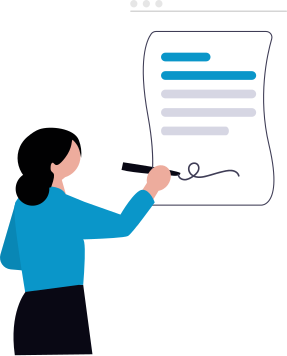
The process starts with legal security. Before screening or data collection, the social worker uses Velago to send a consent form via DocuSign to the parents. This ensures all steps are authorized and transparent.
Step #2
The PHQ9
Screening
After consent, students complete a PHQ9 mental health screening. This tool is the clinical standard for assessing anxiety and depression risk, giving social workers reliable data.
Step #3
Demographic
Matching
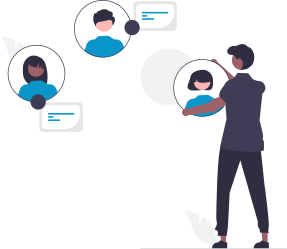
To ensure the best fit, the social worker enters key demographic info, like the student's language, ethnicity, socioeconomic status, and race. Velago's system uses this data to prioritize culturally concordant and affordable care.
Step #4
The Provider
Map
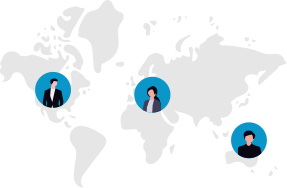
Social workers access an interactive map of vetted providers for their school. The system highlights the top five compatible providers, enabling them to review profiles and select the best fit for students.
Step #5
Encrypted
Referrals
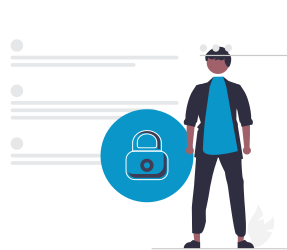
Referral submitted through an encrypted, HIPAA-compliant channel. Providers receive notifications via web-app and email. Upon acceptance, they generate a patient profile for care within 48 to 72 hours.
Step #6
Outcome
Monitoring
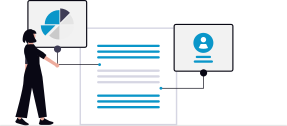
The workflow concludes with a structured follow-up. Social workers and administrators can track each student's match to a mental health provider, confirm whether care was accessed, and ensure no one falls through the referral process.
FAQ
Questions,
Answered
01
What screening tools are used by the platform?
Velago utilizes several socioeconomic screening questions along with the PHQ9 scale for anxiety and depression risk assessment. This instrument is recognized as the "gold standard" in clinical literature for identifying students who require specialized mental health support.
02
What makes the Velago provider network unique?
Velago does not use a generic database; instead, it features a manually curated and credentialed network of providers specific to each school. The platform utilizes a match-scoring system based on student demographic and socioeconomic data-such as race, ethnicity, household income, and primary language-to connect students with culturally concordant and affordable care.
03
Is parental consent required for students in high school?
Yes. Obtaining parental consent for students under 18 is the mandatory first step in the Social Worker Portal. Social workers use the platform to send digital consent forms via DocuSign to parents or guardians before any screening is conducted or demographic data is collected.
04
How does the platform ensure students actually receive care?
Velago features closed-loop referral tracking. Providers are notified of new referrals via email alerts and an in-app notification bell, and they are required to notate in the portal when a visit has been scheduled so that school social workers can track the student's progress.
05
What is the cost of care for referred students?
While Velago itself is a non-profit tool, the care provided depends on the individual network. The platform tentatively collects household income data to assist providers in offering care on a sliding scale, making mental health services more affordable for low-income families.

Ravi Parekh
Co-Founder & CEO

Regina Lester-Harriat
School Social Worker & Researcher
University of Connecticut
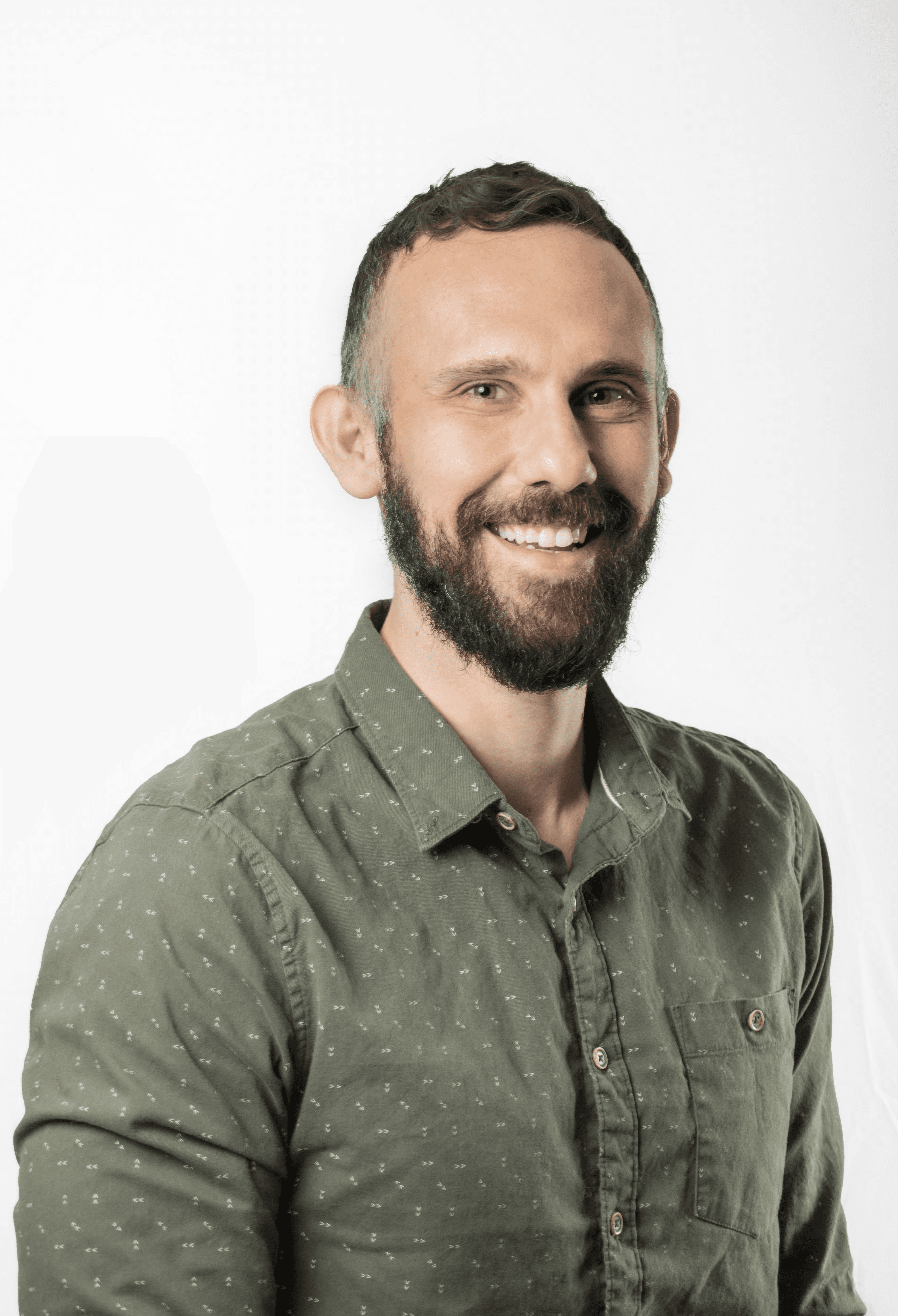
Dr. Gio Iacono
Researcher
University of Connecticut

Dr. Rupal Parekh
Researcher
University of Connecticut
Ravi Parekh
Co-Founder & CEO
Regina Lester-Harriat
School Social Worker & Researcher
University of Connecticut
Dr. Gio Iacono
Researcher
University of Connecticut
Dr. Rupal Parekh
Researcher
University of Connecticut